 Cart
CartNHS: Belonging in White Corridors
페이지 정보
- 작성자 : Nell
- 작성일 : 25-09-23 04:10
- 조회 : 22회
관련링크
본문
Within the bustling halls of an NHS hospital in Birmingham, a young man named James Stokes navigates his daily responsibilities with subtle confidence. His oxford shoes move with deliberate precision as he exchanges pleasantries with colleagues—some by name, others with the universal currency of a "good morning."

James wears his NHS lanyard not merely as institutional identification but as a declaration of inclusion. It hangs against a neatly presented outfit that gives no indication of the challenging road that led him to this place.
What distinguishes James from many of his colleagues is not immediately apparent. His presence gives away nothing of the fact that he was among the first beneficiaries of the NHS Universal Family Programme—an undertaking created purposefully for young people who have been through the care system.
"The Programme embraced me when I needed it most," James explains, his voice measured but revealing subtle passion. His observation summarizes the core of a programme that strives to transform how the vast healthcare system approaches care leavers—those vulnerable young people aged 16-25 who have emerged from the care system.
The numbers reveal a challenging reality. Care leavers frequently encounter greater psychological challenges, financial instability, shelter insecurities, and diminished educational achievements compared to their contemporaries. Beneath these clinical numbers are personal narratives of young people who have traversed a system that, despite good efforts, often falls short in delivering the nurturing environment that forms most young lives.
The NHS Universal Family Programme, established in January 2023 following NHS England's commitment to the Care Leaver Covenant, embodies a substantial transformation in institutional thinking. At its heart, it acknowledges that the whole state and civil society should function as a "communal support system" for those who haven't known the stability of a conventional home.
Ten pioneering healthcare collectives across England have led the way, developing systems that reimagine how the NHS—one of Europe's largest employers—can extend opportunities to care leavers.
The Programme is thorough in its approach, initiating with detailed evaluations of existing policies, forming oversight mechanisms, and garnering senior buy-in. It recognizes that effective inclusion requires more than lofty goals—it demands tangible actions.
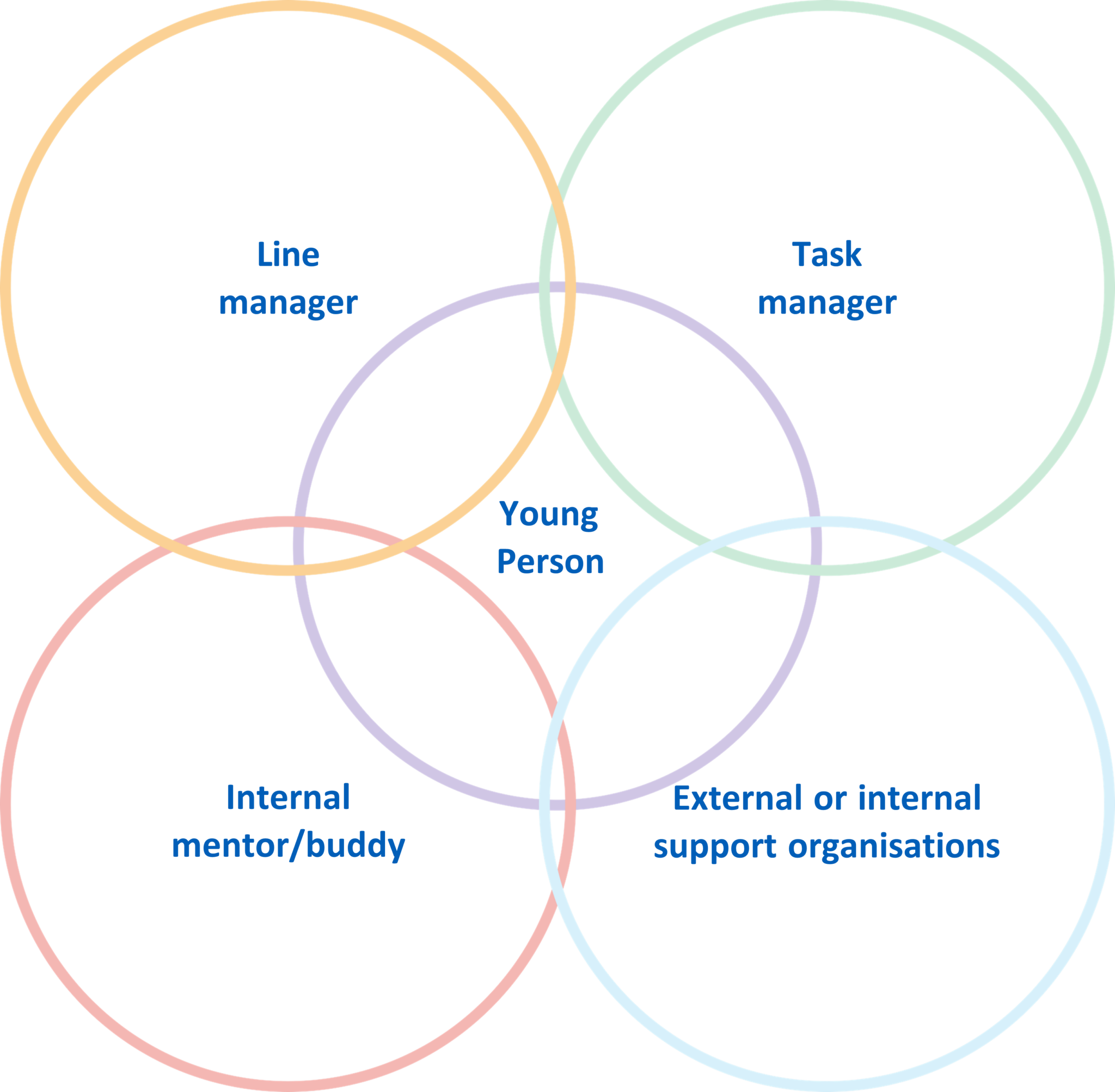
In NHS Birmingham and Solihull ICB, where James found his footing, they've established a consistent support system with representatives who can offer assistance and counsel on personal welfare, HR matters, recruitment, and equality, diversity, and inclusion.
The conventional NHS recruitment process—structured and often daunting—has been carefully modified. Job advertisements now highlight attitudinal traits rather than long lists of credentials. Application processes have been reimagined to consider the specific obstacles care leavers might encounter—from missing employment history to struggling with internet access.
Possibly most crucially, the Programme acknowledges that starting a job can pose particular problems for care leavers who may be handling self-sufficiency without the support of family resources. Concerns like commuting fees, personal documentation, and bank accounts—assumed basic by many—can become substantial hurdles.
The beauty of the Programme lies in its meticulous consideration—from clarifying salary details to helping with commuting costs until that crucial first salary payment. Even seemingly minor aspects like break times and workplace conduct are carefully explained.
For James, whose professional path has "changed" his life, the Programme offered more than employment. It offered him a perception of inclusion—that elusive quality that develops when someone senses worth not despite their past but because their distinct perspective enhances the institution.
"Working for the NHS isn't just about doctors and nurses," James observes, his eyes reflecting the modest fulfillment of someone who has secured his position. "It's about a community of different jobs and roles, a team of people who truly matter."
The NHS Universal Family Programme exemplifies more than an employment initiative. It stands as a strong assertion that organizations can change to include those who have navigated different paths. In doing so, they not only alter individual futures but enrich themselves through the unique perspectives that care leavers provide.
As James moves through the hospital, his participation silently testifies that with the right support, care leavers can flourish in environments once thought inaccessible. The support that the NHS has extended through this Programme symbolizes not charity but appreciation of overlooked talent and the profound truth that everyone deserves a support system that champions their success.