 Cart
CartNHS: The Family They Never Had
페이지 정보
- 작성자 : Josefa
- 작성일 : 25-09-22 18:45
- 조회 : 28회
관련링크
본문
In the sterile corridors of Birmingham Women's and Children's NHS Foundation Trust, a young man named James Stokes carries himself with the measured poise of someone who has found his place. His oxford shoes barely make a sound as he exchanges pleasantries with colleagues—some by name, others with the comfortable currency of a "how are you."
James carries his identification not merely as institutional identification but as a declaration of inclusion. It rests against a well-maintained uniform that offers no clue of the difficult path that brought him here.
What sets apart James from many of his colleagues is not immediately apparent. His presence reveals nothing of the fact that he was among the first beneficiaries of the NHS Universal Family Programme—an effort created purposefully for young people who have been through the care system.
"The Programme embraced me when I needed it most," James reflects, his voice steady but tinged with emotion. His observation encapsulates the core of a programme that seeks to reinvent how the vast healthcare system approaches care leavers—those frequently marginalized young people aged 16-25 who have graduated out of the care system.
The statistics reveal a challenging reality. Care leavers commonly experience poorer mental health outcomes, money troubles, shelter insecurities, and reduced scholarly attainment compared to their peers. Underlying these clinical numbers are individual journeys of young people who have maneuvered through a system that, despite good efforts, often falls short in offering the nurturing environment that forms most young lives.

The NHS Universal Family Programme, initiated in January 2023 following NHS England's promise to the Care Leaver Covenant, represents a substantial transformation in systemic approach. At its core, it acknowledges that the complete state and civil society should function as a "universal family" for those who have missed out on the constancy of a traditional family setting.
A select group of healthcare regions across England have charted the course, establishing systems that rethink how the NHS—one of Europe's largest employers—can extend opportunities to care leavers.
The Programme is meticulous in its methodology, initiating with detailed evaluations of existing procedures, forming management frameworks, and securing executive backing. It understands that meaningful participation requires more than lofty goals—it demands concrete steps.
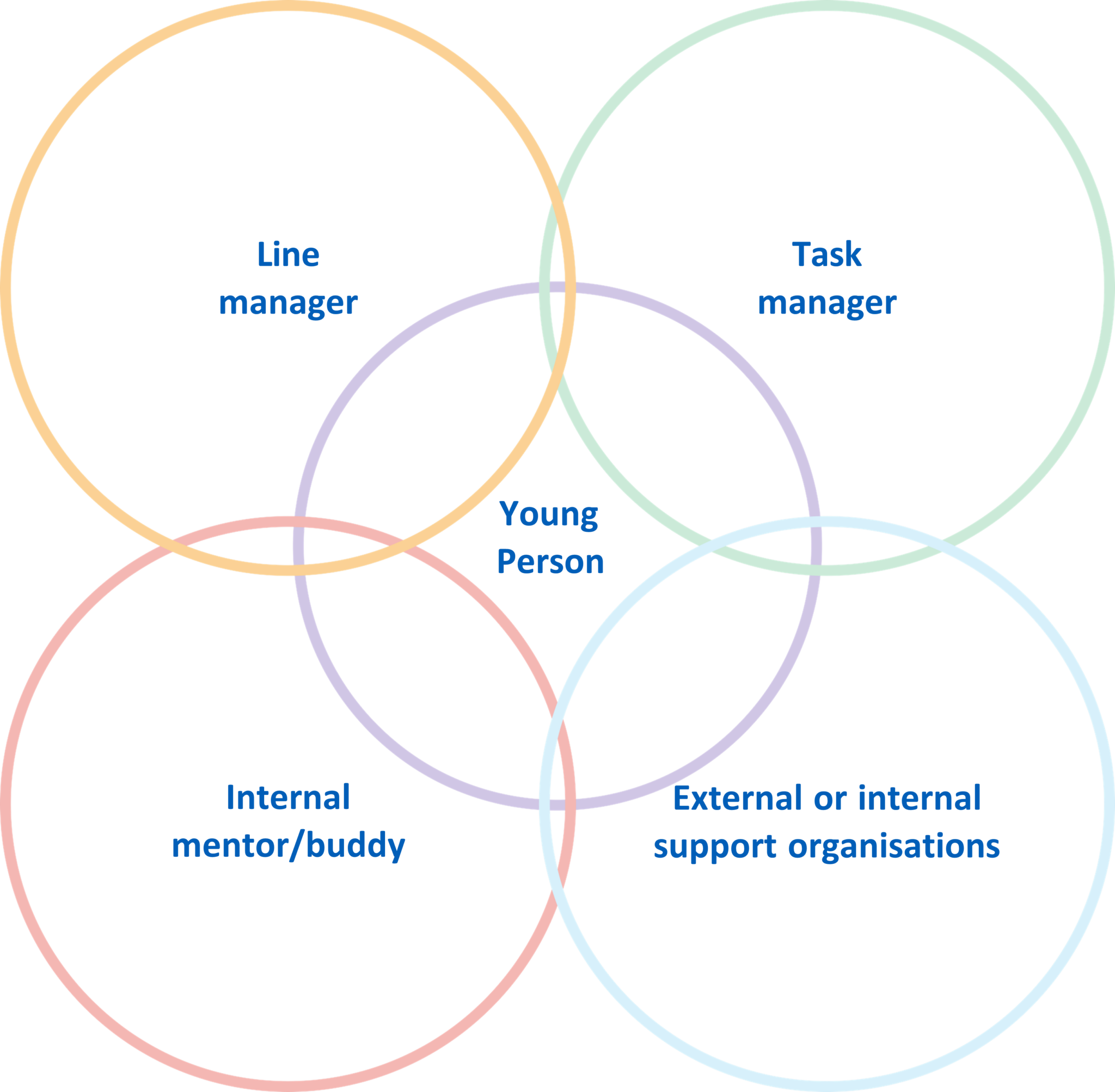
In NHS Birmingham and Solihull ICB, where James started his career, they've created a reliable information exchange with representatives who can deliver support, advice, and guidance on mental health, HR matters, recruitment, and inclusivity efforts.
The conventional NHS recruitment process—structured and potentially intimidating—has been thoughtfully adapted. Job advertisements now emphasize personal qualities rather than long lists of credentials. Application processes have been redesigned to consider the unique challenges care leavers might experience—from lacking professional references to struggling with internet access.
Perhaps most significantly, the Programme recognizes that entering the workforce can pose particular problems for care leavers who may be managing independent living without the support of familial aid. Concerns like travel expenses, personal documentation, and financial services—taken for granted by many—can become major obstacles.
The elegance of the Programme lies in its thorough planning—from outlining compensation information to helping with commuting costs until that critical first salary payment. Even ostensibly trivial elements like coffee breaks and professional behavior are deliberately addressed.
For James, whose professional path has "transformed" his life, the Programme offered more than a job. It offered him a sense of belonging—that intangible quality that grows when someone senses worth not despite their background but because their distinct perspective enriches the organization.
"Working for the NHS isn't just about doctors and nurses," James notes, his eyes reflecting the subtle satisfaction of someone who has found his place. "It's about a family of different jobs and roles, a family of people who truly matter."
The NHS Universal Family Programme embodies more than an job scheme. It functions as a bold declaration that institutions can adapt to include those who have known different challenges. In doing so, they not only alter individual futures but enrich themselves through the distinct viewpoints that care leavers contribute.
As James navigates his workplace, his involvement quietly demonstrates that with the right help, care leavers can succeed in environments once considered beyond reach. The embrace that the NHS has extended through this Programme represents not charity but recognition of untapped potential and the fundamental reality that each individual warrants a family that supports their growth.