 Cart
CartNHS: A Universal Embrace
페이지 정보
- 작성자 : Helene
- 작성일 : 25-09-23 02:15
- 조회 : 19회
관련링크
본문
Within the bustling halls of an NHS hospital in Birmingham, a young man named James Stokes moves with quiet purpose. His oxford shoes move with deliberate precision as he exchanges pleasantries with colleagues—some by name, others with the universal currency of a "good morning."
James displays his credentials not merely as institutional identification but as a testament of acceptance. It rests against a pressed shirt that betrays nothing of the challenging road that led him to this place.

What separates James from many of his colleagues is not visible on the surface. His presence gives away nothing of the fact that he was among the first beneficiaries of the NHS Universal Family Programme—an effort crafted intentionally for young people who have experienced life in local authority care.
"It felt like the NHS was putting its arm around me," James reflects, his voice steady but carrying undertones of feeling. His statement summarizes the heart of a programme that seeks to revolutionize how the enormous healthcare system views care leavers—those frequently marginalized young people aged 16-25 who have emerged from the care system.
The statistics reveal a challenging reality. Care leavers frequently encounter greater psychological challenges, money troubles, housing precarity, and reduced scholarly attainment compared to their peers. Behind these cold statistics are human stories of young people who have traversed a system that, despite good efforts, frequently fails in offering the stable base that molds most young lives.
The NHS Universal Family Programme, launched in January 2023 following NHS England's promise to the Care Leaver Covenant, embodies a profound shift in organizational perspective. At its core, it recognizes that the whole state and civil society should function as a "collective parent" for those who have missed out on the stability of a typical domestic environment.
Ten pathfinder integrated care boards across England have blazed the trail, creating frameworks that reconceptualize how the NHS—one of Europe's largest employers—can open its doors to care leavers.
The Programme is meticulous in its strategy, beginning with comprehensive audits of existing procedures, forming governance structures, and obtaining leadership support. It recognizes that meaningful participation requires more than lofty goals—it demands concrete steps.
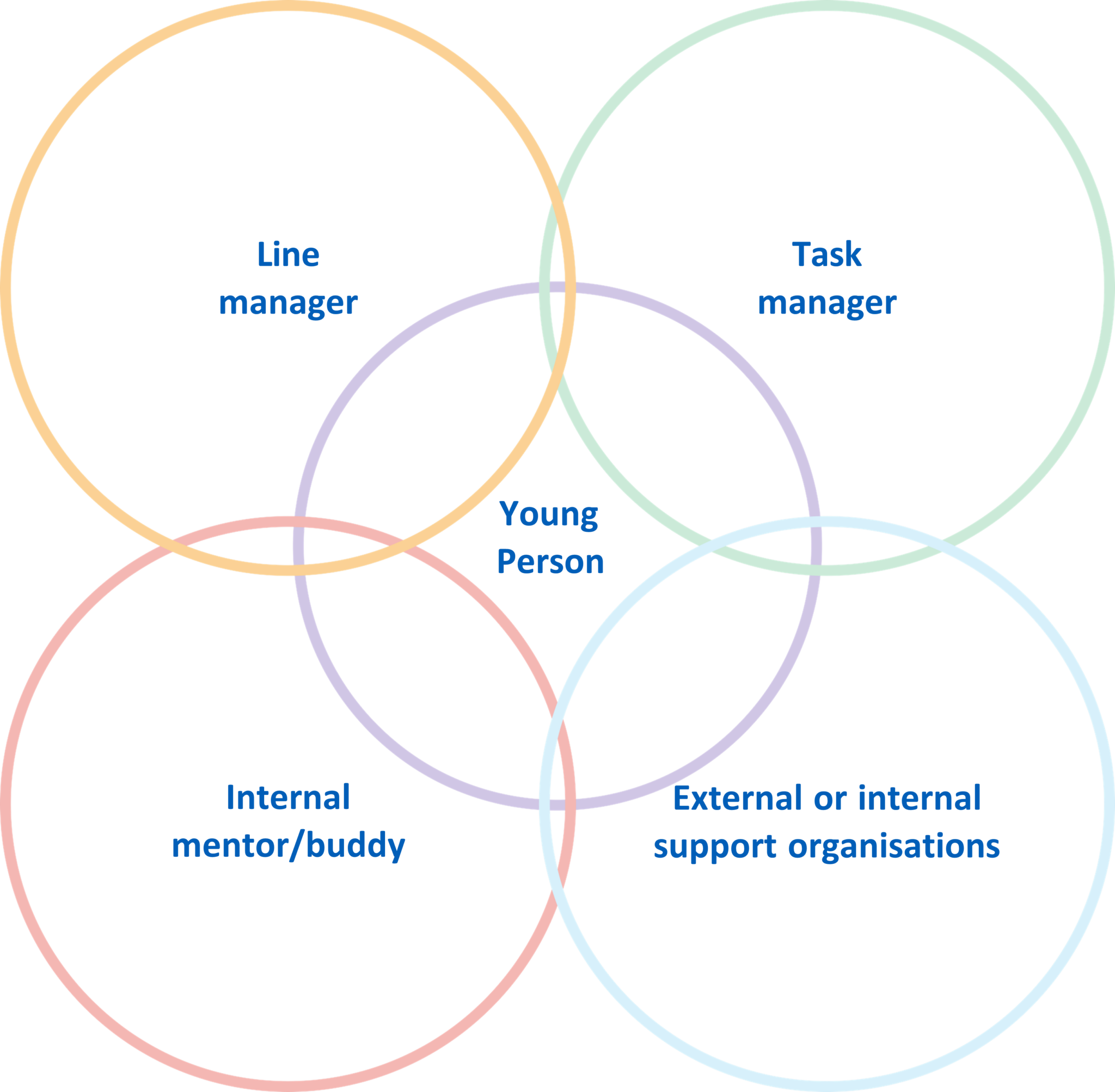
In NHS Birmingham and Solihull ICB, where James began his journey, they've established a regular internal communication network with representatives who can offer support, advice, and guidance on personal welfare, HR matters, recruitment, and EDI initiatives.
The conventional NHS recruitment process—rigid and possibly overwhelming—has been intentionally adjusted. Job advertisements now emphasize character attributes rather than extensive qualifications. Application processes have been reimagined to accommodate the specific obstacles care leavers might face—from lacking professional references to struggling with internet access.
Maybe most importantly, the Programme recognizes that entering the workforce can present unique challenges for care leavers who may be handling self-sufficiency without the support of parental assistance. Issues like travel expenses, personal documentation, and financial services—considered standard by many—can become significant barriers.
The beauty of the Programme lies in its thorough planning—from outlining compensation information to providing transportation assistance until that essential first wage disbursement. Even apparently small matters like coffee breaks and office etiquette are thoughtfully covered.
For James, whose career trajectory has "revolutionized" his life, the Programme offered more than a job. It provided him a sense of belonging—that ineffable quality that emerges when someone senses worth not despite their background but because their distinct perspective enhances the organization.
"Working for the NHS isn't just about doctors and nurses," James observes, his gaze showing the quiet pride of someone who has secured his position. "It's about a community of different jobs and roles, a family of people who really connect."
The NHS Universal Family Programme exemplifies more than an job scheme. It exists as a strong assertion that organizations can change to embrace those who have experienced life differently. In doing so, they not only transform individual lives but improve their services through the distinct viewpoints that care leavers bring to the table.
As James walks the corridors, his involvement silently testifies that with the right help, care leavers can succeed in environments once considered beyond reach. The arm that the NHS has provided through this Programme represents not charity but acknowledgment of hidden abilities and the fundamental reality that everyone deserves a community that supports their growth.