 Cart
CartNHS: A Universal Embrace
페이지 정보
- 작성자 : Pam
- 작성일 : 25-09-19 00:14
- 조회 : 18회
관련링크
본문
Among the organized chaos of medical professionals in Birmingham, a young man named James Stokes navigates his daily responsibilities with subtle confidence. His polished footwear whisper against the floor as he exchanges pleasantries with colleagues—some by name, others with the universal currency of a "how are you."
James wears his NHS lanyard not merely as institutional identification but as a declaration of inclusion. It rests against a pressed shirt that betrays nothing of the difficult path that led him to this place.
What separates James from many of his colleagues is not visible on the surface. His presence reveals nothing of the fact that he was among the first recruits of the NHS Universal Family Programme—an initiative designed specifically for young people who have spent time in care.
"The Programme embraced me when I needed it most," James reflects, his voice steady but revealing subtle passion. His observation captures the core of a programme that seeks to reinvent how the enormous healthcare system approaches care leavers—those vulnerable young people aged 16-25 who have emerged from the care system.
The statistics tell a troubling story. Care leavers often face greater psychological challenges, financial instability, shelter insecurities, and diminished educational achievements compared to their peers. Underlying these clinical numbers are personal narratives of young people who have maneuvered through a system that, despite good efforts, often falls short in delivering the supportive foundation that shapes most young lives.

The NHS Universal Family Programme, established in January 2023 following NHS England's promise to the Care Leaver Covenant, signifies a significant change in systemic approach. At its core, it accepts that the complete state and civil society should function as a "universal family" for those who haven't experienced the security of a typical domestic environment.
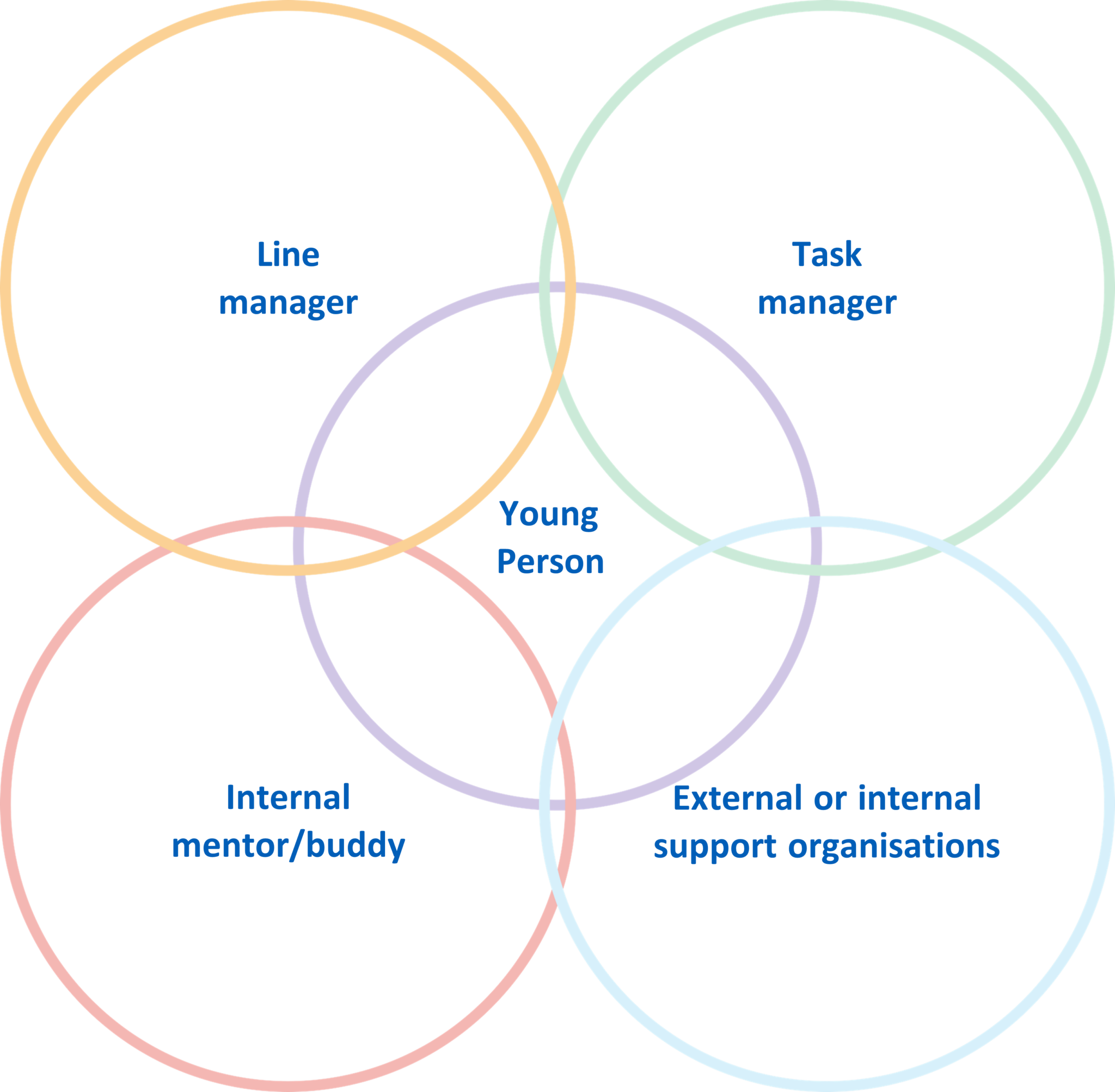
Ten pathfinder integrated care boards across England have led the way, creating systems that reimagine how the NHS—one of Europe's largest employers—can extend opportunities to care leavers.
The Programme is thorough in its strategy, beginning with comprehensive audits of existing policies, forming oversight mechanisms, and securing senior buy-in. It recognizes that meaningful participation requires more than lofty goals—it demands practical measures.
In NHS Birmingham and Solihull ICB, where James started his career, they've developed a reliable information exchange with representatives who can deliver assistance and counsel on personal welfare, HR matters, recruitment, and equality, diversity, and inclusion.
The conventional NHS recruitment process—rigid and often daunting—has been carefully modified. Job advertisements now emphasize character attributes rather than numerous requirements. Applications have been reconsidered to address the unique challenges care leavers might face—from missing employment history to struggling with internet access.
Perhaps most significantly, the Programme acknowledges that entering the workforce can create specific difficulties for care leavers who may be navigating autonomy without the support of parental assistance. Issues like commuting fees, personal documentation, and bank accounts—taken for granted by many—can become substantial hurdles.
The elegance of the Programme lies in its thorough planning—from outlining compensation information to helping with commuting costs until that critical first wage disbursement. Even seemingly minor aspects like break times and office etiquette are carefully explained.
For James, whose career trajectory has "revolutionized" his life, the Programme delivered more than a job. It provided him a sense of belonging—that ineffable quality that develops when someone is appreciated not despite their background but because their distinct perspective improves the organization.
"Working for the NHS isn't just about doctors and nurses," James comments, his eyes reflecting the quiet pride of someone who has found his place. "It's about a collective of different jobs and roles, a group of people who genuinely care."
The NHS Universal Family Programme represents more than an job scheme. It stands as a strong assertion that systems can change to include those who have experienced life differently. In doing so, they not only transform individual lives but improve their services through the unique perspectives that care leavers contribute.
As James navigates his workplace, his involvement quietly demonstrates that with the right help, care leavers can thrive in environments once considered beyond reach. The support that the NHS has provided through this Programme signifies not charity but recognition of hidden abilities and the essential fact that everyone deserves a family that believes in them.