 Cart
CartNHS: A Universal Embrace
페이지 정보
- 작성자 : Rocky
- 작성일 : 25-09-20 11:26
- 조회 : 22회
관련링크
본문

Among the organized chaos of medical professionals in Birmingham, a young man named James Stokes moves with quiet purpose. His oxford shoes barely make a sound as he exchanges pleasantries with colleagues—some by name, others with the familiar currency of a "good morning."
James wears his NHS lanyard not merely as a security requirement but as a symbol of inclusion. It hangs against a neatly presented outfit that gives no indication of the difficult path that preceded his arrival.
What distinguishes James from many of his colleagues is not obvious to the casual observer. His demeanor discloses nothing of the fact that he was among the first participants of the NHS Universal Family Programme—an effort created purposefully for young people who have experienced life in local authority care.
"The Programme embraced me when I needed it most," James says, his voice measured but revealing subtle passion. His statement captures the essence of a programme that seeks to revolutionize how the massive healthcare system perceives care leavers—those often overlooked young people aged 16-25 who have transitioned from the care system.
The figures tell a troubling story. Care leavers often face higher rates of mental health issues, financial instability, housing precarity, and lower academic success compared to their age-mates. Behind these impersonal figures are individual journeys of young people who have maneuvered through a system that, despite good efforts, often falls short in offering the nurturing environment that molds most young lives.
The NHS Universal Family Programme, launched in January 2023 following NHS England's pledge to the Care Leaver Covenant, signifies a significant change in systemic approach. At its core, it acknowledges that the whole state and civil society should function as a "communal support system" for those who have missed out on the stability of a traditional family setting.
Ten pioneering healthcare collectives across England have led the way, developing systems that reconceptualize how the NHS—one of Europe's largest employers—can open its doors to care leavers.
The Programme is meticulous in its methodology, beginning with comprehensive audits of existing procedures, forming management frameworks, and securing leadership support. It recognizes that meaningful participation requires more than good intentions—it demands concrete steps.
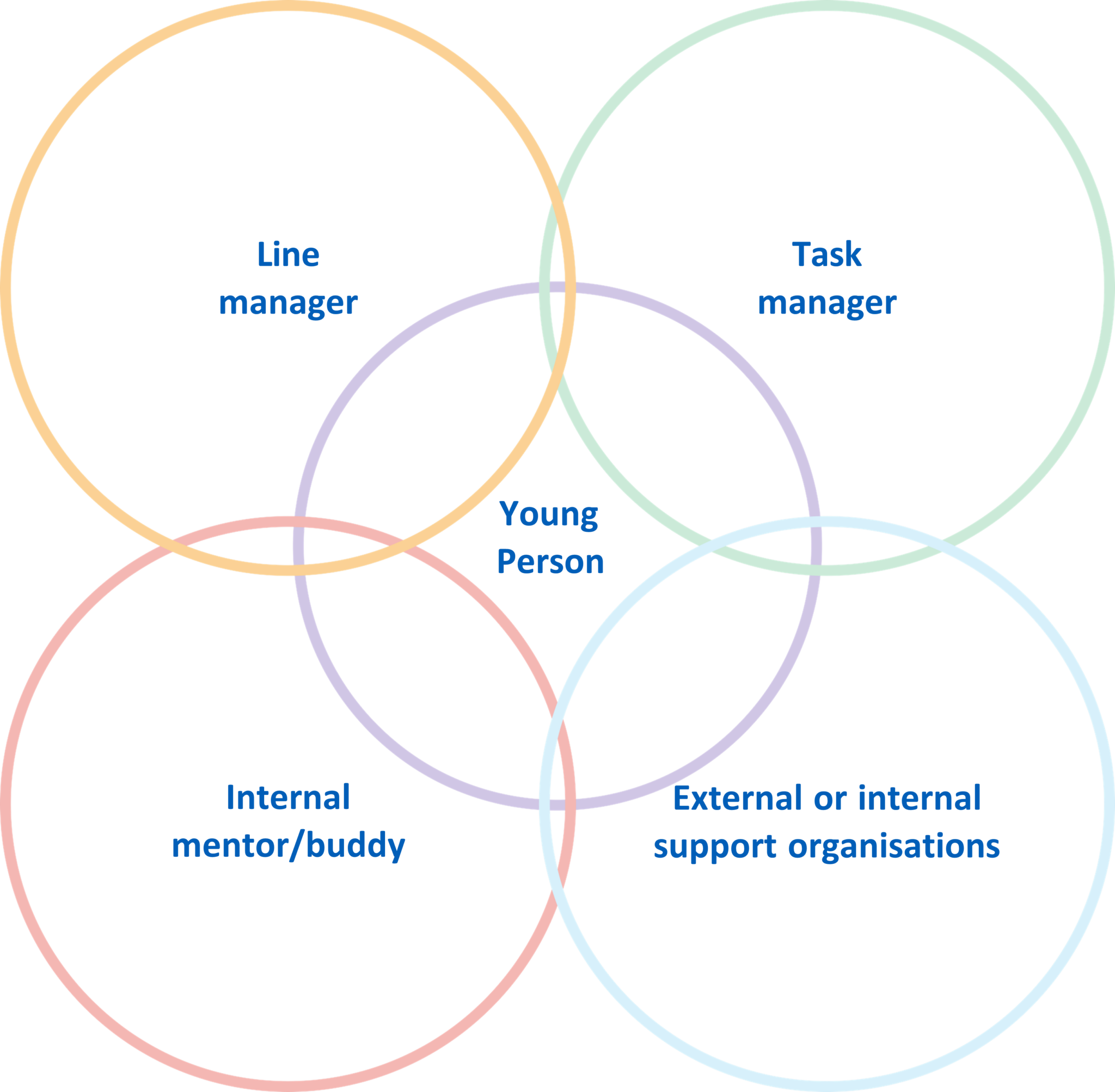
In NHS Birmingham and Solihull ICB, where James started his career, they've established a reliable information exchange with representatives who can deliver assistance and counsel on mental health, HR matters, recruitment, and EDI initiatives.
The traditional NHS recruitment process—rigid and potentially intimidating—has been carefully modified. Job advertisements now highlight attitudinal traits rather than extensive qualifications. Application procedures have been reimagined to consider the particular difficulties care leavers might face—from not having work-related contacts to struggling with internet access.
Maybe most importantly, the Programme acknowledges that entering the workforce can create specific difficulties for care leavers who may be handling self-sufficiency without the backup of familial aid. Concerns like travel expenses, personal documentation, and bank accounts—taken for granted by many—can become substantial hurdles.
The elegance of the Programme lies in its thorough planning—from clarifying salary details to providing transportation assistance until that critical first wage disbursement. Even ostensibly trivial elements like break times and office etiquette are carefully explained.
For James, whose professional path has "transformed" his life, the Programme provided more than employment. It offered him a sense of belonging—that elusive quality that develops when someone feels valued not despite their past but because their particular journey enriches the organization.
"Working for the NHS isn't just about doctors and nurses," James observes, his eyes reflecting the subtle satisfaction of someone who has secured his position. "It's about a family of different jobs and roles, a team of people who really connect."
The NHS Universal Family Programme embodies more than an work program. It exists as a strong assertion that systems can evolve to welcome those who have known different challenges. In doing so, they not only change personal trajectories but improve their services through the special insights that care leavers contribute.
As James moves through the hospital, his participation silently testifies that with the right support, care leavers can flourish in environments once deemed unattainable. The arm that the NHS has provided through this Programme signifies not charity but recognition of overlooked talent and the profound truth that all people merit a community that believes in them.