 Cart
CartNHS: Belonging in White Corridors
페이지 정보
- 작성자 : Gloria Wray
- 작성일 : 25-09-18 23:59
- 조회 : 21회
관련링크
본문
Within the bustling halls of an NHS hospital in Birmingham, a young man named James Stokes navigates his daily responsibilities with subtle confidence. His smart shoes whisper against the floor as he acknowledges colleagues—some by name, others with the universal currency of a "how are you."
James carries his identification not merely as an employee badge but as a symbol of inclusion. It hangs against a neatly presented outfit that gives no indication of the challenging road that brought him here.
What distinguishes James from many of his colleagues is not obvious to the casual observer. His demeanor gives away nothing of the fact that he was among the first beneficiaries of the NHS Universal Family Programme—an undertaking crafted intentionally for young people who have been through the care system.
"I found genuine support within the NHS structure," James explains, his voice measured but tinged with emotion. His observation encapsulates the heart of a programme that seeks to reinvent how the enormous healthcare system perceives care leavers—those often overlooked young people aged 16-25 who have emerged from the care system.
The statistics tell a troubling story. Care leavers often face poorer mental health outcomes, money troubles, accommodation difficulties, and diminished educational achievements compared to their contemporaries. Beneath these impersonal figures are human stories of young people who have navigated a system that, despite good efforts, regularly misses the mark in offering the supportive foundation that shapes most young lives.
The NHS Universal Family Programme, initiated in January 2023 following NHS England's promise to the Care Leaver Covenant, signifies a significant change in systemic approach. At its core, it recognizes that the whole state and civil society should function as a "communal support system" for those who have missed out on the stability of a traditional family setting.
A select group of healthcare regions across England have blazed the trail, developing systems that reconceptualize how the NHS—one of Europe's largest employers—can open its doors to care leavers.
The Programme is thorough in its methodology, starting from detailed evaluations of existing policies, creating oversight mechanisms, and securing senior buy-in. It understands that effective inclusion requires more than lofty goals—it demands practical measures.
In NHS Birmingham and Solihull ICB, where James found his footing, they've established a consistent support system with representatives who can provide support, advice, and guidance on mental health, HR matters, recruitment, and equality, diversity, and inclusion.
The standard NHS recruitment process—structured and potentially intimidating—has been intentionally adjusted. Job advertisements now focus on attitudinal traits rather than numerous requirements. Application procedures have been reconsidered to accommodate the unique challenges care leavers might encounter—from lacking professional references to having limited internet access.

Maybe most importantly, the Programme recognizes that beginning employment can create specific difficulties for care leavers who may be managing independent living without the support of parental assistance. Concerns like travel expenses, identification documents, and banking arrangements—taken for granted by many—can become significant barriers.
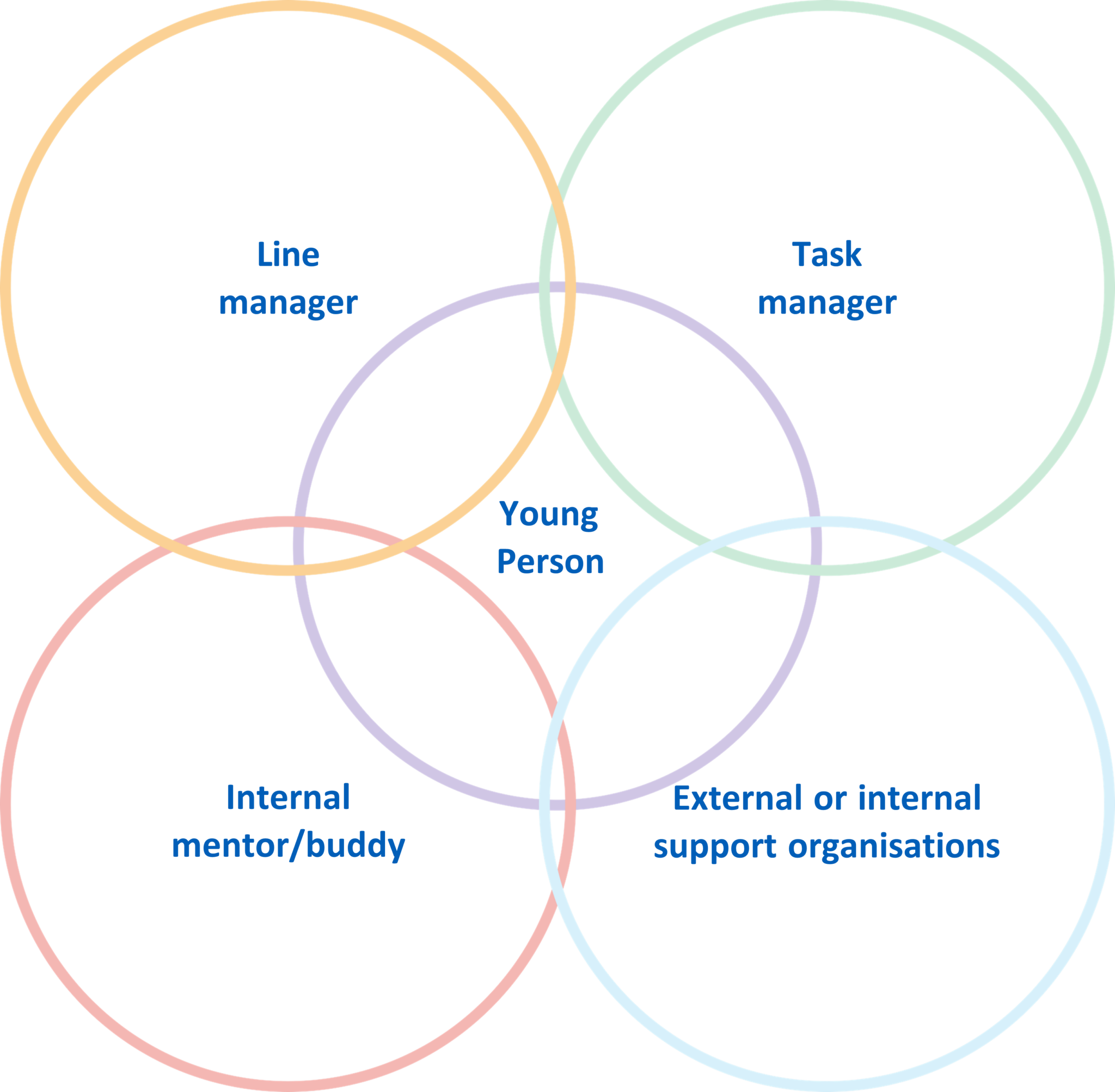
The elegance of the Programme lies in its meticulous consideration—from clarifying salary details to offering travel loans until that critical first wage disbursement. Even seemingly minor aspects like rest periods and professional behavior are deliberately addressed.
For James, whose professional path has "changed" his life, the Programme provided more than work. It offered him a perception of inclusion—that ineffable quality that grows when someone feels valued not despite their background but because their unique life experiences enriches the institution.
"Working for the NHS isn't just about doctors and nurses," James comments, his gaze showing the quiet pride of someone who has discovered belonging. "It's about a community of different jobs and roles, a group of people who truly matter."
The NHS Universal Family Programme exemplifies more than an job scheme. It stands as a powerful statement that institutions can adapt to welcome those who have experienced life differently. In doing so, they not only change personal trajectories but enhance their operations through the unique perspectives that care leavers provide.
As James moves through the hospital, his presence silently testifies that with the right assistance, care leavers can succeed in environments once deemed unattainable. The arm that the NHS has offered through this Programme represents not charity but acknowledgment of untapped potential and the essential fact that everyone deserves a community that supports their growth.