 Cart
CartUNDERSTANDING BUILD TO SUIT Leases
페이지 정보
- 작성자 : Gay
- 작성일 : 25-11-27 09:53
- 조회 : 15회
관련링크
본문
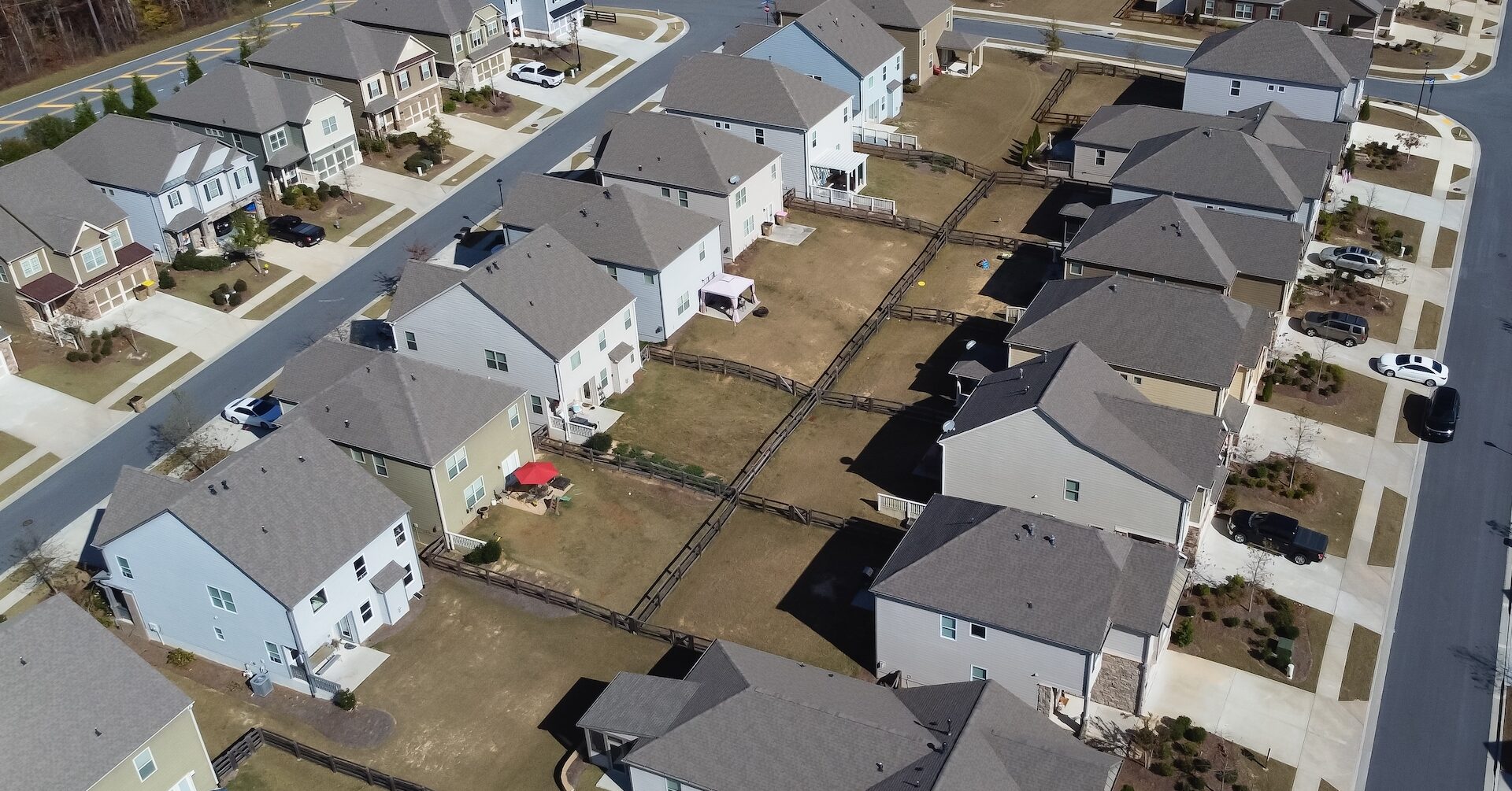
A build to match lease is the structure of every effective construct to match development job. In this guide, we break down the essential elements of a develop to match lease and some of the advantages of this kind of business property transaction.
What is a construct to suit lease?

A build to match lease, in easiest terms, is a contract between a landlord/developer to develop a commercial building that satisfies particular renter requirements.
The construct to suit procedure involves all the steps needed to select, get, finance, and rent a residential or commercial property on which the landlord/developer constructs a custom-made structure for the renter.
Generally, the landlord/developer owns the land and the structure built on that residential or commercial property or will obtain land designated by the renter. The tenant will in turn rent the to-be-constructed building from the landlord/developer.
What are the elements of a develop to fit lease?
A build to match lease has several broad elements: 1) the landlord work letter which defines the work needed to be completed by the property manager before the renter occupies, 2) other important lease terms for the build-to-suit part such as delivery date and further occupant enhancement allowance for occupant build-out, and 3) an extensive understanding of post-delivery responsibilities of proprietor and tenant.
Specific elements of a develop to match lease, include but are not limited to the following:
Involved parties
This simply mentions the names of the included celebrations including the tenant, occupant contacts, guarantor, and property manager.
Description of properties
A legal description of the genuine residential or commercial property upon which the building will be constructed.
Term.
A repaired, non-cancelable period for which a lease agreement is in force.
Renewal Options.
A renewal alternative provides the occupant the option, but not the responsibility, to restore or extend a lease agreement beyond its initial terms.
Commencement date.
The agreed upon date for which rent payments start. (There is frequently an association between start dates and completion dates that requires to be taken into consideration.)
Rent.
As a basic meaning, lease is settlement from renter to property owner for making use of the residential or commercial property and structure. In a build to suit, the proposed lease is computed by the landlord, as for all investments, on a return of and on the proprietor's capital.
Taxes.
Taxes are usually paid by the occupant either straight to the taxing authority or as a compensation to the proprietor.
Use/Restrictions.
These provisions usually state the permitted and restricted uses of the residential or commercial property and deal with the ramifications if stipulations are broken.
Plans/Approvals.
Among the most essential aspects in the build-to-suit lease is the preparation of structure strategies and specs for building parts and materials.
Maintenance and Repair.
Build-to-suit leases generally put the whole problem of upkeep, repair, and replacement on the tenant.
Work Letter.
This area or addendum recommendations the specifics of the pre-construction and construction phases of a build to fit.
What are the benefits of a develop to suit lease?
When getting in into a construct to match lease, there are a variety of benefits for renters including:
Preservation of capital.
Through a develop to match, renters have the ability to preserve capital. So, rather of binding cash in gradually appreciating property, tenants can use that to assist grow their service.
Tax deductions.
When leasing a residential or commercial property through a build to fit structure, lease payments are 100% tax deductible.
Flexibility.
Whereas owning an industrial residential or commercial property needs a long-term commitment, leasing is restricted to the regard to the lease. This alternative provides services more chance and flexibility to deal with ever-evolving company requirements and market conditions.
Then there is the physical aspect of a build to fit task. The greatest benefit is, as we have actually mentioned and as the name implies, the residential or commercial property is developed and constructed to suit the requirements of the renter. Therefore, the renter has substantial input into the style and building and construction. Ultimately, this approach helps to:
- Maximize area
- Maximize effectiveness
- Reduce long-lasting costs
How is lease identified in a develop to suit lease?
There are a number of techniques utilized to identify lease in a build to match advancement. The very first being based upon a rate of return used to overall job costs. This elements in land value/cost plus the price quote of difficult and soft expenses of construction, current market conditions, and the type of center. This approach allows the tenant to understand its lease with certainty at the start of the project and offers the landlord a stated rental on which to base its calculations.
The second approach is to determine lease based upon an open-book expense approach, with the final rent calculated as a percentage of the expense of the job. The percentage is multiplied by the overall expense of the task, and the outcome is the annual rent for the preliminary lease term, topic to negotiated boosts over the term.
Due to the reality that the rental rate is based so greatly on building and construction expenses, it is crucial to have established an equally appropriate budget plan and comprehensive scope of work.
The length of time is a develop to match lease term?
For the a lot of part, construct to suit leases have long terms, often 10 to 20 years or longer. This is due to the fact that of the specifications of the task and the expense required from the landlord/developer. If a job is more specialized, it might become more essential for the lease term to be longer in order to fully amortize the property owner's investment in the residential or commercial property.
What types of construct to suit leases are there?
There are a variety of different types of construct to suit leases.
Single Net Lease (N).
In this lease, the renter pays base rent plus a pro-rata share of the building's residential or commercial property tax (meaning a portion of the total costs based upon the proportion of total structure space leased by the tenant); the landlord covers all other structure expenditures. The occupant also pays utilities and janitorial services.
Double Net Lease (NN).
A double net lease is a lease agreement in which the occupant is responsible for residential or commercial property taxes and insurance coverage premiums in addition to lease. All outside and common location upkeep costs stay the duty of the landlord.
Triple Net Lease (NNN).
A triple net lease is a lease arrangement in which the occupant is responsible for all the expenses of running the residential or commercial property, including both fixed and variable expenses, as well as rent. The tenant is needed to pay the net quantity for 3 kinds of expenses: property tax, building insurance, and typical location maintenance. However, the landlord is responsible for structural repairs.
Absolute Net Leases.
This kind of lease is less typical and more stiff than a NNN lease. This kind of lease is typically described as a bondable lease. In this structure, the tenant is responsible for all structure expenses, no matter what, consisting of structure and roofing. Usually there is confusion in between a NNN lease and an absolute net lease. This confusion frequently occurs when residential or commercial properties are noted or marketed as easy labels, such as triple web or complete. These terms are typically frequently used by brokers and property managers, but may often contrast with the actual terms of the lease.
Net leases are typically long-term, typically 10 to twenty years with a number of renewal alternatives at set or formulae rates.
Build to fit advancement represents an advantageous, yet sometimes complicated commercial property venture. Build to fit leases are substantial dedications, so when it concerns addressing them, it is essential to understand all of your alternatives and ask the ideal concerns.
What is a reverse construct to suit lease?
In a reverse construct to fit development, the tenant basically acts as the designer. The occupant will build its building upon the property owner's approval and at the proprietor's expense. This method is in some cases preferred by a renter who has their own real estate and/or building and construction department but still prefers to rent rather than own property. The property manager is usually protected from additional expenses, allowing, and so on.
With the reverse construct to suit lease, both parties take advantage of the tenant's experience in building essentially the exact same structure in lots of locations. The renter has total control over the building process and the facility is custom-designed by the user.
What are the parts of a construct to suit work letter?
The arrangements regarding building are normally captured in the work letter of the build to match lease. The work letter is basically a shortened building and construction agreement.
Work letters cover problems such as the description of the work to be done in adequate detail, processes for solving building and construction disagreements and delays, schedules and schedules, a methodology for determining the expense of building, and a lot more.
Listed below are normal components of the work letter in a build-to-suit lease.
Description of Work.
This will be a comprehensive description of the property owner's building and construction tasks and tenant's approval requirement worrying the residential or commercial property.
Representatives.
Assigning representatives to handle the style and construction procedures is critical to a build to match development.
Design Phase Schedule.
The design stage schedule addresses the receipt of the specifications from the occupant, illustration of space strategies, illustration of "last strategies", and occupant's acceptance of "last plans".
Construction Phase Schedule
This includes calling the professionals and an in-depth breakdown of all phases of the building procedure.
Delays.
This develops a way to determine and communicate any scenarios which result in delays, the reason for the delays, and the effect of the hold-ups on the task schedule.
Construction Costs.
The included parties will figure out the definition of what products are included in the cost of construction.
Drop Dead Dates.
This consists of crucial dates that require to be specified such as an outright move-in date or start date.
Change Orders.
This develops a for changes in the original, agreed upon scope of work. Change orders started by the Tenant are usually made based on the Landlord's authorization and will be subject to the Landlord's right to charge the expense of such adjustment to the Tenant along with to extend the completion date for the time it takes to execute the modification.
Right to Terminate.
The parties normally have a right to terminate upon the other party's breach. Sometimes the right to terminate is connected to liquidated damages.
Liquidated Damages.
The involved parties will attempt to set liquidated damages for breaches at numerous points of the style and building phases.
Covenants of Landlord Regarding Construction.
The work letter typically has covenants of the property owner covering (a) Standards of Construction, (b) Progress Meetings, (c) Inspections, (d) Separate Contracts and (e) Cooperation with Tenant's Contractors.
What other considerations are there with a develop to match lease?
The following problems, while not always or entirely related to a build to fit lease, also require substantial factor to consider.
Commencement vs. Completion Date.
As we previously went over, the commencement date is the concurred upon date for which lease payments are to start. But construct to suit leases typically make the difference in between this date and conclusion date. Because of the construction element, there is an approximated conclusion date for the job. During building, a determination should be made that the residential or commercial property is "considerably finished". At this moment, the involved parties may likely transform the completion date into a start date triggering the term to start.
Purchase Options.
Considered that build-to-suit projects are typically purpose-built for the initial occupant, the renter might seek alternatives to purchase the residential or commercial property eventually throughout the term of the lease, a right to be very first to the table in case of a proposed sale. Such arrangements need to define how and when the occupant may exercise its right and set out the criteria to be satisfied in order to work out such an option.
Warranty Items.
A build to fit lease must likewise attend to the allowance of threat and obligations for the costs of problems covered under warranty or due to faulty design or building.
Back to Top
Questions? Do not hesitate to call us.
