Cart
CartNHS: The Family They Never Had
페이지 정보
- 작성자 : Mike
- 작성일 : 25-09-12 07:10
- 조회 : 19회
관련링크
본문
Within the bustling halls of an NHS hospital in Birmingham, a young man named James Stokes carries himself with the measured poise of someone who has found his place. His smart shoes move with deliberate precision as he exchanges pleasantries with colleagues—some by name, others with the comfortable currency of a "hello there."
James displays his credentials not merely as a security requirement but as a symbol of acceptance. It hangs against a neatly presented outfit that betrays nothing of the challenging road that led him to this place.
What distinguishes James from many of his colleagues is not obvious to the casual observer. His bearing gives away nothing of the fact that he was among the first recruits of the NHS Universal Family Programme—an undertaking designed specifically for young people who have experienced life in local authority care.
"I found genuine support within the NHS structure," James says, his voice steady but revealing subtle passion. His observation encapsulates the heart of a programme that strives to revolutionize how the enormous healthcare system views care leavers—those frequently marginalized young people aged 16-25 who have transitioned from the care system.
The numbers paint a stark picture. Care leavers often face greater psychological challenges, money troubles, accommodation difficulties, and lower academic success compared to their age-mates. Underlying these impersonal figures are individual journeys of young people who have maneuvered through a system that, despite best intentions, often falls short in delivering the nurturing environment that forms most young lives.
The NHS Universal Family Programme, initiated in January 2023 following NHS England's commitment to the Care Leaver Covenant, represents a profound shift in organizational perspective. At its heart, it accepts that the whole state and civil society should function as a "collective parent" for those who have missed out on the stability of a traditional family setting.
Ten pioneering healthcare collectives across England have led the way, creating systems that reimagine how the NHS—one of Europe's largest employers—can open its doors to care leavers.
The Programme is meticulous in its strategy, starting from detailed evaluations of existing practices, establishing oversight mechanisms, and garnering leadership support. It recognizes that effective inclusion requires more than noble aims—it demands practical measures.
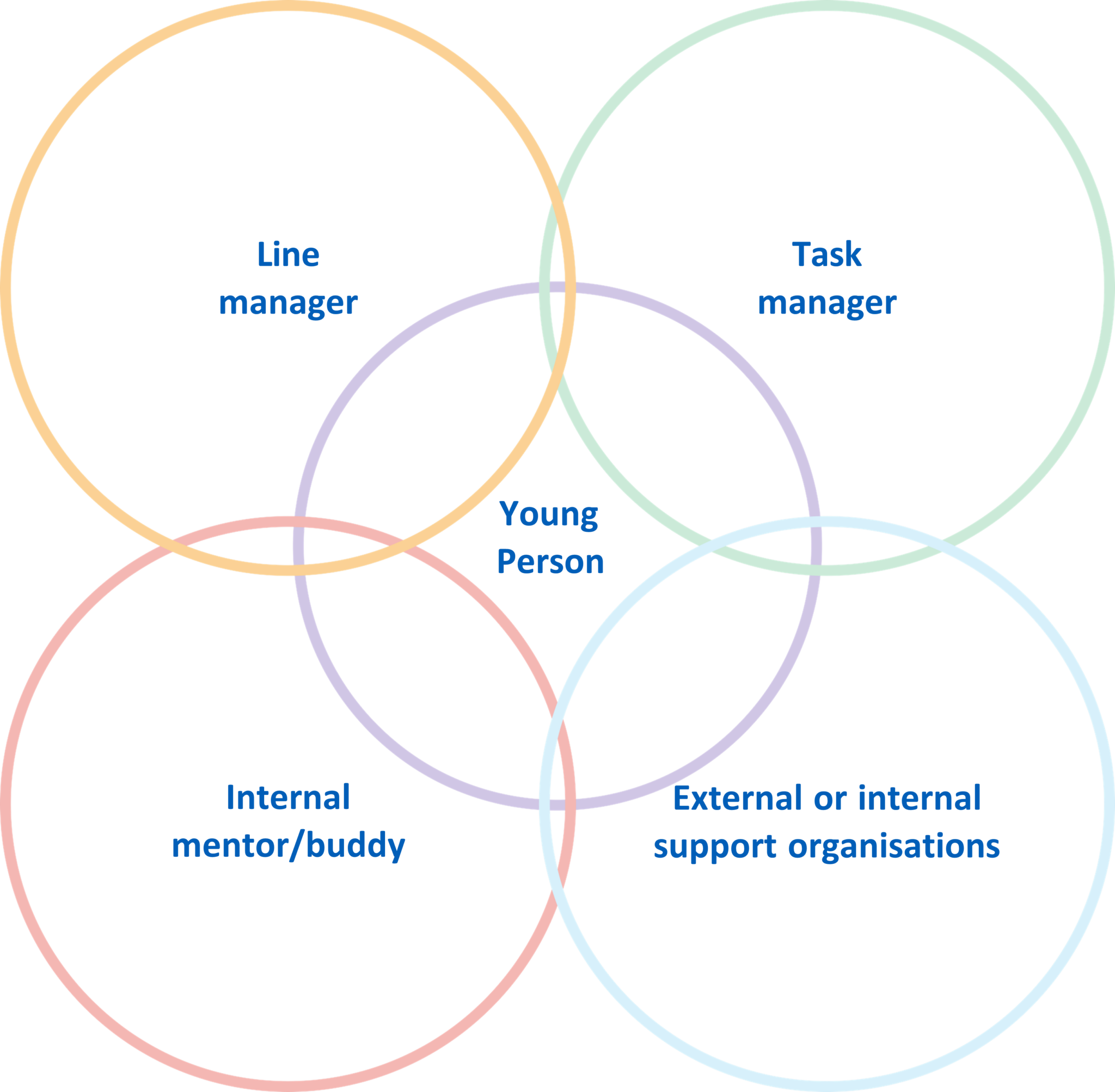
In NHS Birmingham and Solihull ICB, where James found his footing, they've created a regular internal communication network with representatives who can deliver assistance and counsel on mental health, HR matters, recruitment, and EDI initiatives.
The traditional NHS recruitment process—formal and potentially intimidating—has been thoughtfully adapted. Job advertisements now highlight personal qualities rather than extensive qualifications. Application processes have been reconsidered to consider the particular difficulties care leavers might face—from lacking professional references to having limited internet access.
Possibly most crucially, the Programme recognizes that beginning employment can present unique challenges for care leavers who may be navigating autonomy without the safety net of family resources. Matters like travel expenses, identification documents, and banking arrangements—taken for granted by many—can become substantial hurdles.
The beauty of the Programme lies in its thorough planning—from clarifying salary details to providing transportation assistance until that essential first wage disbursement. Even ostensibly trivial elements like rest periods and professional behavior are carefully explained.
For James, whose NHS journey has "revolutionized" his life, the Programme offered more than employment. It provided him a feeling of connection—that ineffable quality that emerges when someone is appreciated not despite their history but because their distinct perspective enhances the workplace.
"Working for the NHS isn't just about doctors and nurses," James notes, his expression revealing the quiet pride of someone who has discovered belonging. "It's about a family of different jobs and roles, a family of people who really connect."
The NHS Universal Family Programme embodies more than an employment initiative. It functions as a strong assertion that systems can adapt to embrace those who have experienced life differently. In doing so, they not only alter individual futures but enhance their operations through the unique perspectives that care leavers provide.
As James walks the corridors, his participation subtly proves that with the right help, care leavers can thrive in environments once considered beyond reach. The embrace that the NHS has provided through this Programme signifies not charity but acknowledgment of overlooked talent and the essential fact that everyone deserves a community that believes in them.